DR.TEGAN MOORE
@WHEELHOUSE


EPIGENETICS
'Epigenetics is the study of how your behaviors and environment can cause changes that affect the way your genes work. Assessment of your current epigenetic set points is a powerful tool for improving your health and extending your disease-free life trajectory'
- Dr. Moore
IMPROVING YOUR HEALTH BY UNDERSTANDING YOUR GENES.
What Is Epigenetics?
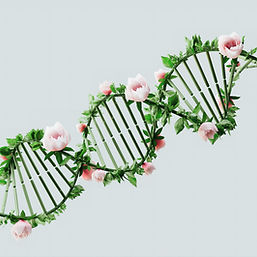
Epigenetics is the study of the various mechanisms that serve to control the ‘on/off’ switches on our genes in response to changing stimuli. As a starting point, it's important to understand the basics of genetics:
-
Cells are fundamental working units of every human being. All the instructions required to direct their activities are contained within DNA housed within the nucleus of the cell.
-
DNA from humans is made up of approximately 3 billion nucleotide bases. There are four fundamental types of bases that comprise DNA.
-
The sequence, or the order, of the bases is what determines our life instructions.
-
Within the 3 billion bases, there are about 20,000 genes. Genes are specific sequences of bases that provide instructions on how to make important proteins – complex molecules that trigger various biological actions from producing hormones to making a new skin cell.
In other words, DNA gives the instructions for various functional proteins to be produced inside the cell. Epigenetics dictates if and when our genes are read by the protein-producing machinery of our cells. For example, the COL1A1 gene is present in the DNA of all types of cells but “expressed” only in some. It is not expressed in cells of the heart but is expressed in skin cells to produce Type 1 Collagen proteins. Collagen is needed to make strong, durable skin where it would interrupt the proper function of heart muscle.
A few important points about epigenetics:
-
Epigenetics Controls Genes.
This is achieved through (a) nature: epigenetics is what determines a cell’s specialization (e.g., skin cell, blood cell, hair cell, liver cells, etc.) as a fetus develops into a baby through gene expression (active) or silencing (dormant); and (b) nurture: environmental stimuli can also cause genes to be turned on or off.
-
Epigenetics Is Everywhere.
What you eat, where you live, who you interact with, when you sleep, how you exercise, even aging – all of these can eventually cause chemical modifications around the genes that will turn those genes on or off over time.
-
Epigenetics Makes Us Unique.
Even though we are all human, why do some of us have blonde hair or darker skin? Why do some of us hate the taste of mushrooms or eggplants? Why are some of us more sociable than others? The different combinations of genes that are turned on or off is what makes each one of us unique. Furthermore, there have been indications that some epigenetic changes can be passed from one generation to the next.
-
Epigenetics Is Reversible.
This means that it is possible to reverse course on disease progression or decrease the risk of it ever starting in the first place (yay prevention!) if we understand the initial epigenetic set points of an individual’s genes within their DNA. .
What Then Is An Epigenotype?
Recall that epigenetic modifications to the control settings on your genes occur during your development in utero. At WHEELHOUSE your unique genetic makeup is assessed in two ways.
-
Your GenoType™. The measurements taken during your initial physical exam, along with the lab results ordered before your first visit help us at WHEELHOUSE determine your particular genetic setpoints. Your GenoType™ is a cluster of health predispositions that have been inherited during your time in utero and were then solidified during development. This cluster of set points or GenoType is used to create a one of a kind nutrition plan to support your health and promote longevity.
-
Your genetic personality. While not scientific in itself, we use the term to describe the very scientific method of genomic assessment to identify your specific health risks and predispositions. Understanding your unique health risks and the particular DNA-level responses your body is most likely to have to diet, stress, infection and lifestyle helps us at WHEELHOUSE be the smartest care team we can be when it comes to your unique needs.
Studies & resources:
Image credits: